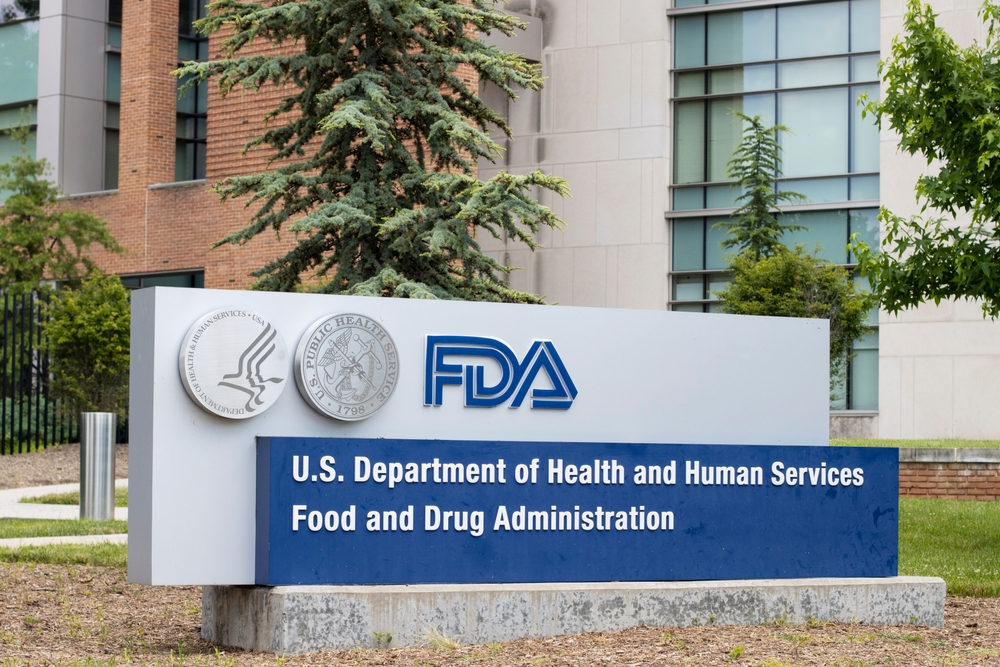
Biotech investing is a game of high stakes and even higher uncertainty. But when the US FDA (Food and Drug Administration) hands a company one of its coveted expedited designations, investors should pay close attention. These regulatory “green lights” not only signal clinical promise but can also accelerate a company’s path to market, reduce development risk, and sharply boost valuations.
In a space where time and capital are everything, designations like Fast Track, Breakthrough Therapy, and Orphan Drug status can dramatically shift the investment thesis.
1. Fast Track: Early Momentum and Rolling Reviews
Fast Track designation is often granted in early or mid-clinical stages to treatments addressing serious conditions with unmet needs. It signals that the FDA sees potential and is prepared to engage early and frequently—something that can reduce regulatory uncertainty and shorten timelines.
For investors, this means quicker access to pivotal trial feedback and a rolling review process, where companies can submit sections of their New Drug Application (NDA) as data becomes available. That translates into faster time-to-market and de-risked Phase 2/3 development—a recipe for heightened market confidence.
Historical Context: Fast Track drugs have shown modest but meaningful boosts in approval odds. While not as strong a signal as Breakthrough Therapy, the designation is still a bullish marker of FDA support.
2. Breakthrough Therapy: The Gold Standard for Signal Value
When a drug candidate receives Breakthrough Therapy Designation (BTD), the market tends to respond swiftly—and for good reason. The designation is reserved for therapies that demonstrate early clinical evidence of substantial improvement over existing treatments. It includes all Fast Track benefits and adds intensive guidance from senior FDA staff to streamline trial design and execution.
For investors, BTD is among the strongest indicators of future success. According to FDA and third-party analyses, 60–70% of BTD drugs ultimately receive approval, and they often reach the market 30–40% faster than non-designated counterparts.
Stocks frequently rally on the announcement of BTD, driven by perceived lower regulatory hurdles, increased likelihood of partnerships or licensing deals, and elevated media attention.
3. Accelerated Approval: Early Revenue and First-Mover Advantage
Accelerated Approval allows the FDA to greenlight therapies based on surrogate endpoints—like tumour shrinkage instead of overall survival—so long as the metric is “reasonably likely” to predict clinical benefit.
The payoff? Early commercial launch. In oncology and rare diseases especially, this pathway lets companies generate revenue years before traditional approval would be possible. While confirmatory trials are required post-approval, only about 10–15% of these therapies ultimately fail, meaning the risk is relatively low for first movers.
Investor sentiment often spikes around Accelerated Approval filings or acceptance, especially if the market recognizes a strong unmet need and limited competition.
4. Priority Review: Six-Month Countdown to Revenue
Priority Review doesn’t change trial design but dramatically shortens the FDA’s review timeline—from 10 months to six. For late-stage biotech companies on the cusp of commercialization, this can be a significant catalyst.
Over 80% of new drugs approved in recent years went through Priority Review, making it a common yet meaningful signal of clinical and commercial promise.
Key investor watchpoint: PDUFA (Prescription Drug User Fee Act) dates—the deadlines by which the FDA must make a decision. These are often make-or-break stock-moving events.
5. Regenerative Medicine Advanced Therapy Designation: Tailwinds for Next-Gen Therapies
The Regenerative Medicine Advanced Therapy (RMAT) designation is the FDA’s specialized pathway for gene and cell therapies. It mirrors the benefits of Breakthrough Therapy status, including frequent interaction with the FDA and potential eligibility for Accelerated Approval.
For investors in early-stage biotech focused on cutting-edge science—CRISPR, stem cells, or tissue engineering—RMAT status is a powerful signal of viability and value. Since its inception in 2017, over 100 therapies have received RMAT status, with several progressing successfully through pivotal trials.
6. Orphan Drug Designation: Moats and Margins
Orphan Drug Designation is awarded to therapies targeting rare diseases affecting fewer than 200,000 patients in the U.S. While the market size may seem small, the financial incentives are not: seven years of U.S. market exclusivity, tax credits, waived FDA fees, and potential grants.
From an investor perspective, this creates strong moats, premium pricing power, and a more favourable ROI. Orphan drugs have a significantly higher chance of approval—25.3% from Phase I, compared to just 7.9% for non-orphans, according to a 2021 BIO study.
Combine Orphan status with Fast Track or Breakthrough, and you get a trifecta that can substantially increase early-stage valuations.
7. Rare Paediatric Disease & Priority Review Vouchers: Hidden Value on the Balance Sheet
This lesser-known designation offers an unusual upside: the Priority Review Voucher (PRV). These vouchers—tradable for $50–$100 million—can be used by the sponsor or sold to another company to accelerate FDA review of a separate drug.
PRVs are often granted in paediatric drug development and are viewed as non-dilutive financial assets, enhancing balance sheet strength and optionality. Investors should watch closely for PRV awards or sales—both tend to be catalysts for stock appreciation and potential acquisition interest.
Bottom Line for Biotech Investors
FDA expedited designations are more than regulatory jargon—they’re investment signals.
- Breakthrough Therapy, Orphan Drug, and RMAT offer the highest predictive value.
- Fast Track and Priority Review indicate momentum and support but require stronger data to carry weight.
- Accelerated Approval and PRVs offer near-term revenue and strategic flexibility.
While no designation guarantees approval, they all increase visibility, reduce time-to-market, and open doors to strategic deals.
In biotech, speed, validation, and derisking are the currency of value—and the FDA’s expedited programs are where that currency is minted.
Click here to read more about US FDA expedited designations at the FDA website.