Control Bionics Limited (ASX: CBL) has become one of the first global augmentative and alternative communication (AAC) companies to integrate Apple’s new Brain-Computer Interface (BCI) Human Interface Device (HID) protocol into its NeuroNode® and NeuroNode Trilogy® systems.
Enabling a New Way to Control Apple Devices
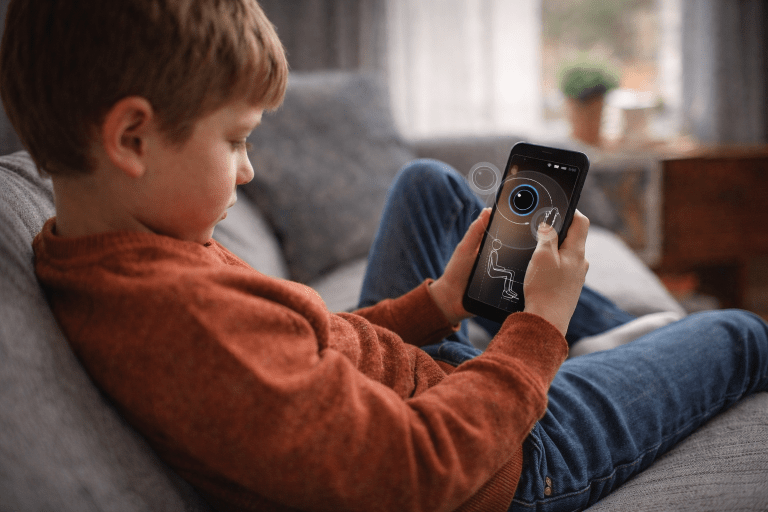
The update allows people with severe speech or physical disabilities to control Apple devices using thought-driven and muscle-based signals rather than touch or speech. Control Bionics’ NeuroNode system captures small electrical signals sent from the brain to muscles, even when movement is barely visible, and converts them into digital commands. By combining these neural signals with Apple’s BCI HID protocol, users can now interact more naturally with iPhones and iPads — opening apps, typing messages, and selecting on-screen options with improved speed and accuracy.
This integration forms the foundation for a new generation of iOS-based AAC products that are faster to set up, more reliable, and simpler to use. It means users can connect their NeuroNode device directly to Apple devices without needing complex configuration or multiple steps.
Simpler Setup, Smarter Feedback, and Instant Access
The new Apple protocol provides three key improvements. First, setup time is reduced by automating Switch Control, creating a plug-and-play experience. Second, users can now see real-time visual feedback of their neural signal strength on the iOS screen, helping them fine-tune connection quality and avoid interruptions. Third, when a NeuroNode connects or wakes, Switch Control launches automatically, giving instant access to communication tools.
Expanding Accessibility Across Markets
Control Bionics plans to expand its reach across funded assistive communication programs in Australia, the United States, and international markets. Its products already qualify for an HCPCS reimbursement code in the US and NDIS funding in Australia, making them available to thousands of people living with conditions such as Motor Neurone Disease (MND) or Amyotrophic Lateral Sclerosis (ALS).
“With thousands of active users worldwide, the addition of Apple’s BCI protocol enables us to deliver a fully integrated neural-control experience within iOS,” said CEO Jeremy Steele. “It reduces setup friction, improves signal monitoring, and makes communication faster and more intuitive.”
User Experience and Future Potential
Control Bionics has released the integration in beta and is gathering feedback to help Apple refine the protocol. Melbourne-based user Ross Gonis said it helps him engage more independently and track his neuro strength in real time, describing the technology as empowering and life-changing.
Beyond communication, Control Bionics’ NeuroNode and NeuroStrip technologies are opening new opportunities in rehabilitation, sports performance, and diagnostics. The NeuroStrip — a small, wearable EMG sensor — captures similar signals and could be used to monitor recovery or muscle activity in non-medical settings.
Control Bionics’ collaboration with Apple underscores a growing convergence between medical devices and consumer technology, setting the stage for broader use of brain-computer interfaces in everyday life.