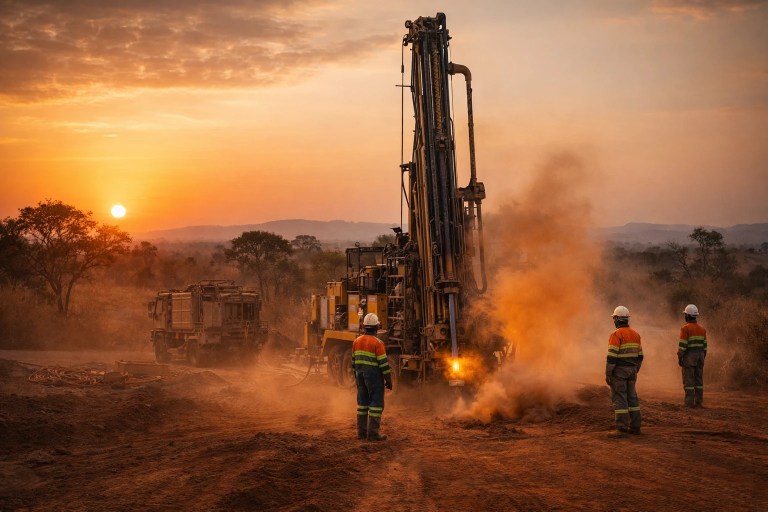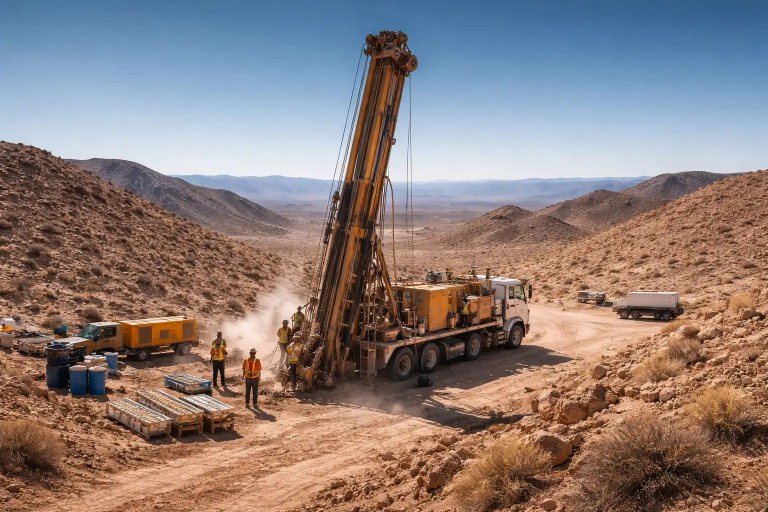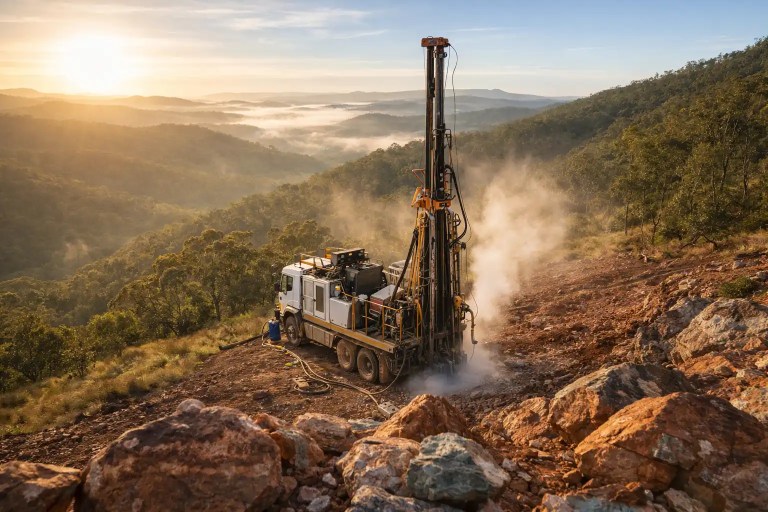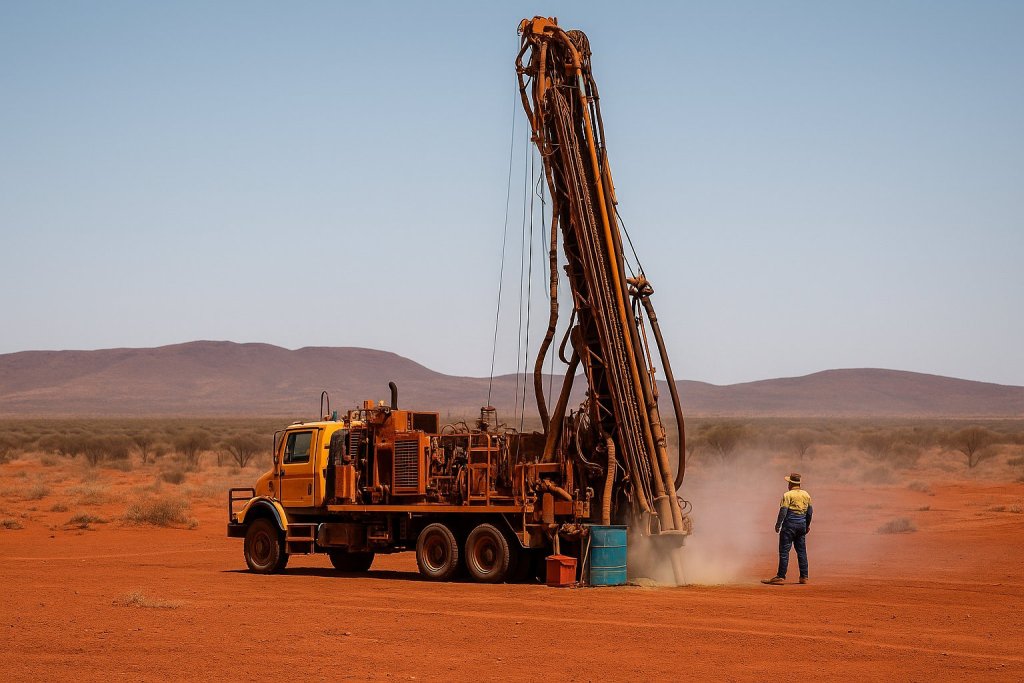
Encounter Resources (ASX: ENR) has identified a new high-grade niobium and rare earth element zone more than 500 metres east of the Crean Mineral Resource Estimate in Western Australia’s West Arunta region. The discovery comes from step-out aircore drilling along the Elephant Island Fault, a structure that also hosts the Crean, Hurley and Hoschke carbonatites.
New Intercepts Strengthen Resource Potential
The latest results from hole EAL1327 show several thick, high-grade intervals. These include 13 metres at 1.8 percent niobium pentoxide and 1.3 percent total rare earth oxides from 86 metres, and 24 metres at 3.0 percent niobium pentoxide and 1.7 percent total rare earth oxides from 106 metres. The broader 77-metre section averaged 1.7 percent niobium pentoxide and 1.1 percent total rare earth oxides from 83 metres.
These intercepts sit outside the current Crean resource footprint and demonstrate that mineralisation extends further east than previously defined. The grades reported align with, and in some cases exceed, existing Crean intercepts, reinforcing the potential scale of the corridor.
Context in the Global Niobium Landscape
To put the numbers in perspective, niobium grades above 1 percent are considered strong in global exploration, while anything exceeding 2 percent is typically viewed as high-grade. Encounter’s 3.0 percent interval places it at the upper end of exploration-stage results reported by peers, highlighting the technical significance of the discovery.
An Expanding Critical Minerals Corridor
The Elephant Island Fault extends for more than eight kilometres and remains only lightly drilled. Encounter has already defined Crean, Hurley and Emily along this corridor, each demonstrating potential for carbonatite-hosted niobium mineralisation. Earlier drilling at Hurley produced some of the thickest niobium intercepts in the region, while Crean currently hosts 3.5 million tonnes at 1.92 percent niobium pentoxide and 1.05 percent total rare earth oxides.
Niobium and rare earth elements are critical inputs for magnets, aerospace alloys and electric mobility. New discoveries in secure jurisdictions such as Australia are becoming increasingly relevant as supply chains diversify away from single-country dominance.
Executive Chairman Will Robinson said: “Results continue to show the major structures running through the Company’s large land position are active conduits for mineralised carbonatites, and we are still determining their full potential.” He also noted that mineralisation has now been extended more than 500 metres from Crean, underscoring the structural continuity of the system.
Encounter expects assays from additional aircore holes every two to four weeks. These results will guide follow-up drilling designed to refine the extent of the new zone and help prioritise targets for resource expansion.