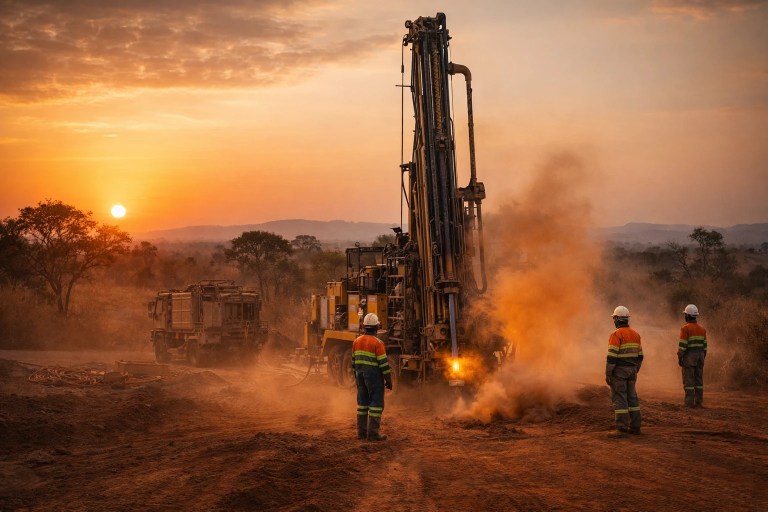
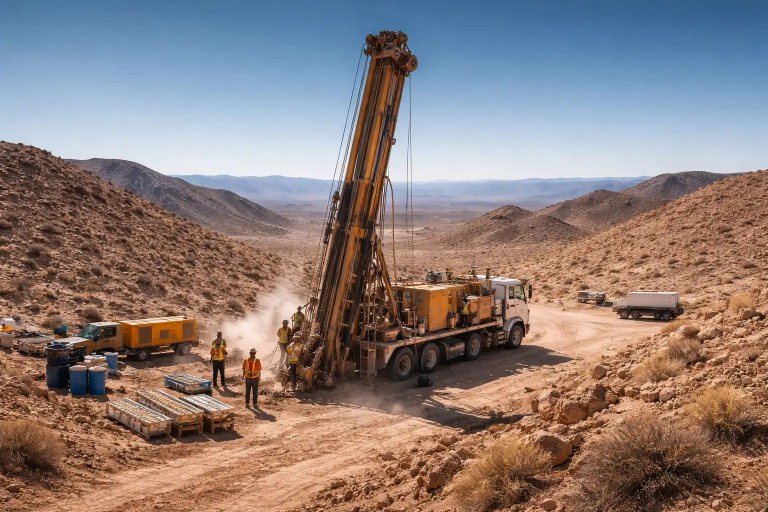
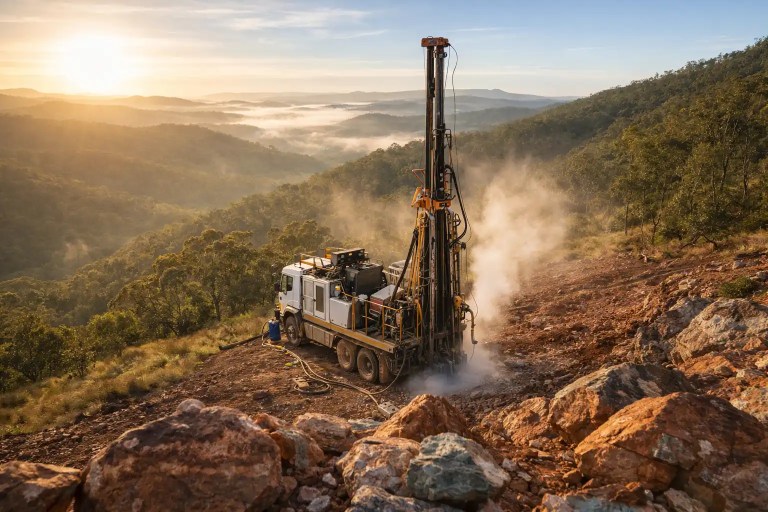
Cannindah Resources (ASX: CAE) has started resource expansion drilling at the Cannindah Breccia deposit in central Queensland. The program is designed to test a 275-metre corridor known as the “GAP” zone. This area sits inside the existing 14.5-million-tonne resource graded at 1.09 percent copper equivalent.
Filling a data blind spot
The GAP zone was recognised after the 2025 drilling campaign. Geologists observed a section with lower drill density and older holes drilled at sub-optimal angles. Some historic intervals were never assayed due to high cut-off grades used decades ago.
Recent holes at the edges of this corridor returned strong results. Drilling at the northern end intersected 278 metres at 1.16 percent copper equivalent from surface. At the southern end, a hole returned 120 metres at 1.16 percent from 30 metres, including 60 metres at 1.94 percent.
These intercepts suggest the high-grade footwall structure continues through the under-tested zone. The company believes the gap reflects limited information rather than weaker geology.
Program details
The initial campaign will include 12 holes for about 3,000 metres. Assays from this work will be used to update the Mineral Resource Estimate. Cannindah Resources (ASX: CAE) has also secured a second rig to test the Southern Porphyry Copper-Gold target within four weeks.
Managing director Cameron Switzer said the new interpretation changed the outlook. “These results have identified the potential to not only increase the total metal inventory of the deposit, but importantly indicates that we have the opportunity to increase the overall average grade of the deposit,” he said.
“The importance of the grade opportunity cannot be overstated as a future potential financial driver. We look forward to the delivery of positive results.”
Asset setting
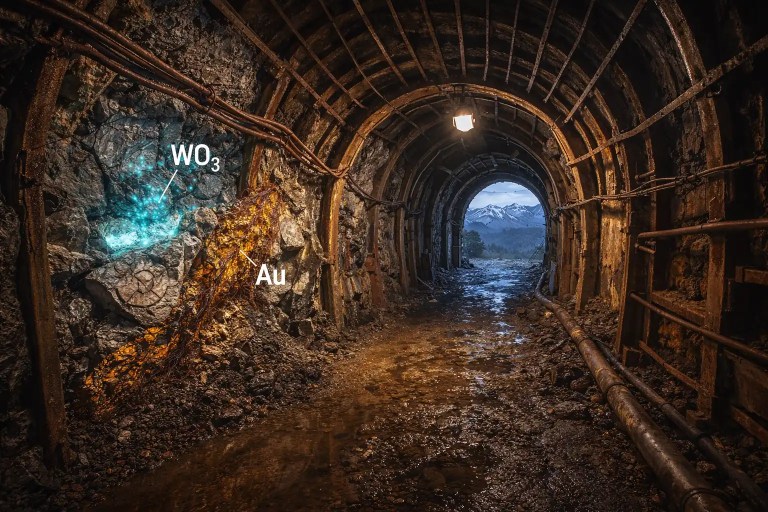
The Cannindah Breccia sits within a large Triassic porphyry system 90 kilometres southwest of Gladstone. The current resource contains about 105,000 tonnes of copper, 197,000 ounces of gold and 6.4 million ounces of silver. The estimate is reported within an open pit shell to 350 metres depth.
Drilling has traced mineralisation to more than one kilometre downhole. The project hosts at least 17 copper and gold occurrences around a diorite intrusive complex.
At the Southern target, a recent hole intersected 28 metres at 1.15 percent copper equivalent and ended in mineralisation. The company interprets this as the outer halo of a potential high-grade pencil porphyry.
What the update could change?
If the GAP zone confirms continuity, the next resource model may lift both tonnes and average grade. Even a modest improvement in head grade could reshape future development options. Results from the current program are expected through the year, with a resource update to follow.